For CEOs, COOs and CFOs whose AI runs on their data, and for their data teams.
Your AI answers from your numbers, and your teams don’t agree on what they mean.
You’re expected to have AI running more of the business, and you can’t yet tell which of its numbers to believe.
Sound familiar?
Two numbers for one thing
Sales and finance each count revenue their own way, so meetings start with whose number is right.
Saved time, spent checking
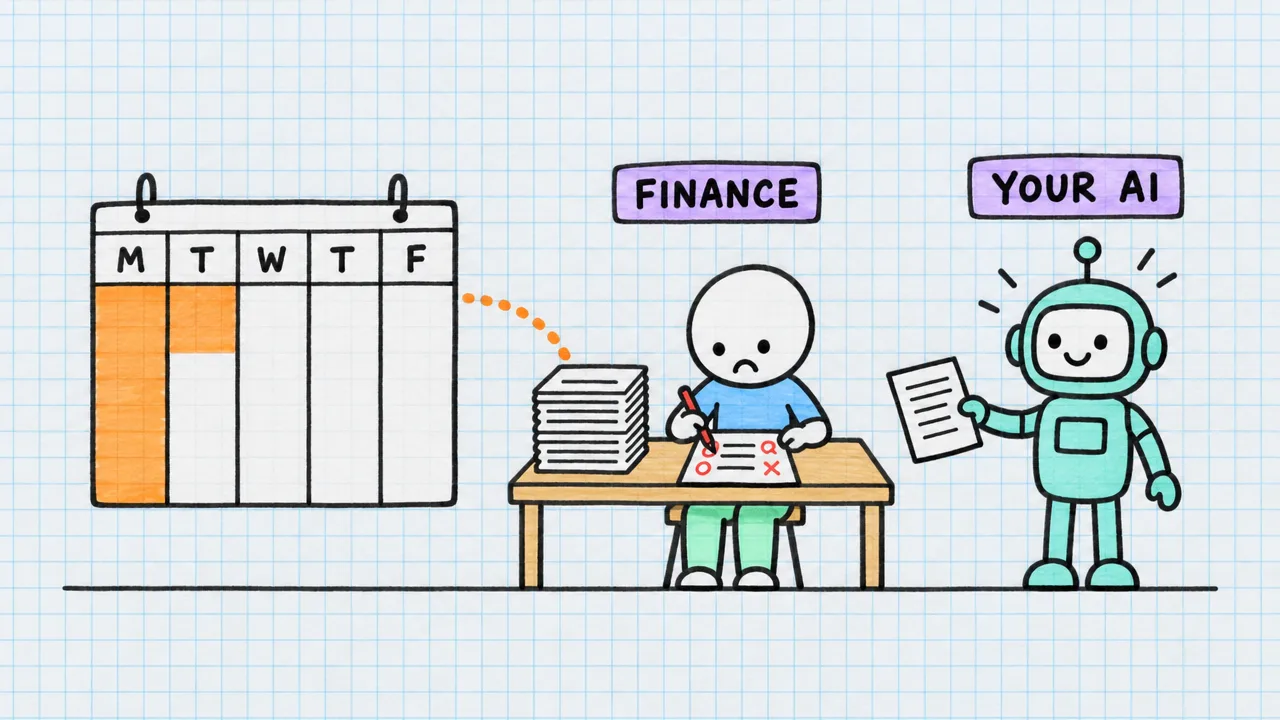
Finance goes over every figure the AI touched, so the hours it was meant to save go into review.
Pressure to wave it through
The AI spend is supposed to show savings, so a careful review starts to look like slowing things down.
Treated as fact
An answer nobody traced ends up in a forecast, a board pack or an email to a customer.
“There’s no return if you switch from doing every line to checking every line… That’s the trap.”
Where AI gets stuck
Your AI picks a number where your people would stop and ask.
A new hire would find out which figure is right before using it. Your AI can’t tell there’s a choice to make, so it picks one and answers with total confidence.
What changes
Your AI works from numbers your leaders agreed on, and your people stop checking every line.
Our AI agents build your pipelines, our senior builders check every number against yours, and your leaders sign off before any AI acts on them.
Each of those checks stays on as a test in your own systems, so after go-live your people see only what fails.
If you have a data team, we build on what they already run, working with them, and they stay in charge.
- The first three weeksFind what paysOur agents find where your systems disagree, down to the rows, and your leaders settle what each number means. Together we pick the use of AI that will pay off first and take a baseline.
- Live within ninety daysBuild it inWe build it into the systems your people already use, with only the access the job needs. If what we agreed isn’t live in time, we keep building at no charge.
- Every month after, if you chooseKeep it runningWe keep everything working as your systems and the AI providers’ models change, and each month you get a short report against that baseline.
What you keep
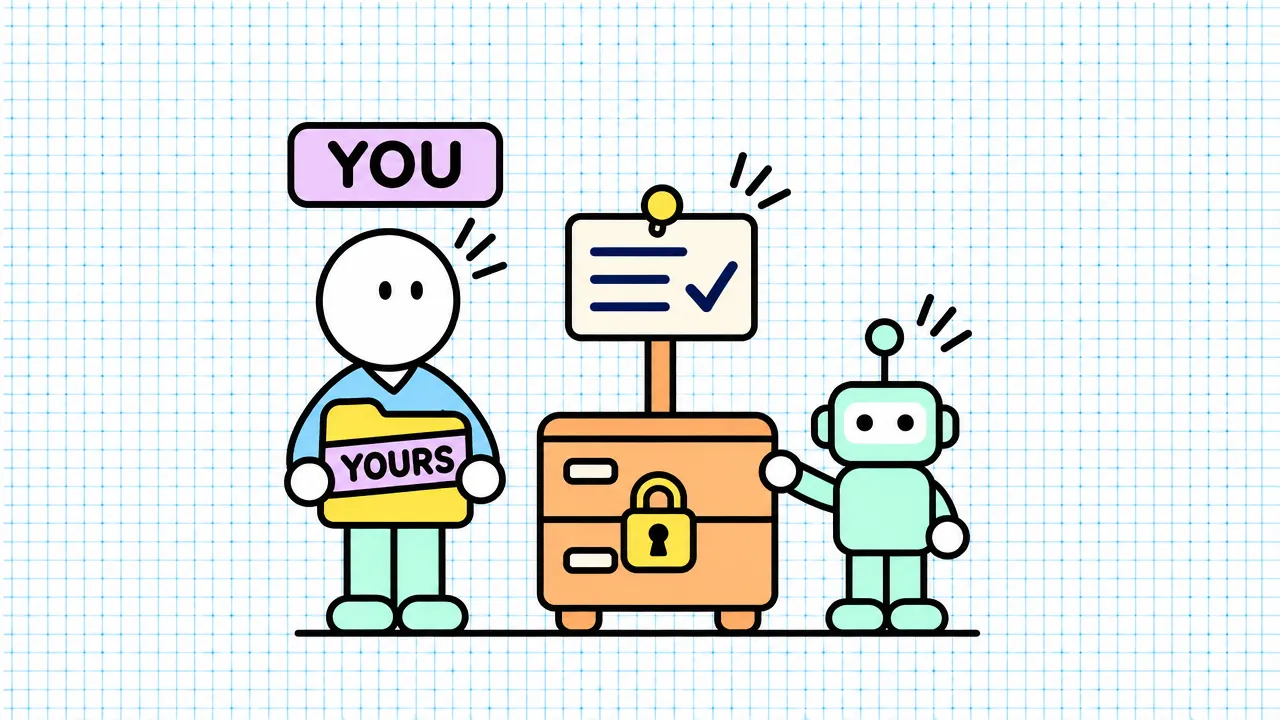
It stays yours, and so does the decision to keep going.
- Everything we build is yours, written into our agreement. It runs in your accounts, documented, so your people or anyone you choose can keep it running.
- You pay the AI and data providers directly, with no markup from us.
- The no-charge promise holds as long as we’ve agreed the scope and have access to your systems in time. Live means in use by your people, in your own systems.
- One fixed price, agreed before we start, covers finding what pays and building it in, through go-live. Keeping it running is optional, month to month.
Proof
What’s been built so far.
Signal Scout was founded by Jeremy Brooks, who has spent twenty-five years putting data, then machine learning, and now AI to work in real businesses.
No more sorting title files by hand
At a title research company, the software we built is in production, pulling data from every page, maps and photos included. We designed its next phase, where rules check that data before a person sees it.
AI reads, code calculates
In Debt Hacker, the fintech app we built, each person checks what AI read before the plan is calculated, and AI explains the result with no way to change a figure. It hasn’t launched yet.
An AI assistant that writes nothing until a person confirms
At Faana, which our founder co-founded, he leads the architecture of its platform and the design of its data, and every change its assistant makes is logged so it can be undone.
Loan and hedging math out of spreadsheets, refreshed several times a day
Before Signal Scout, our founder led that work for a mortgage lender, and led a health sciences company’s move from Oracle to Snowflake.
Short answers
Before you book
When your AI assistant gives you a number, can anyone show where it came from?
In a 2026 survey by dbt Labs, which makes data tools and is now part of Fivetran, 71% of data professionals said wrong or made-up output reaching the people who rely on it is a top concern. We can build your assistant to show the source behind each number it gives, and before it goes live, our senior builders test its answers against the numbers your finance team already reports.
Source: dbt Labs, April 2026
Before an AI agent changes something in your systems, who says yes?
The person who owns that decision. We can set up each agent to wait for that person’s yes before it changes anything, and to keep a record of every change so it can be reversed.
Can your AI use what’s in your documents, emails and calls, too?
We can build pipelines that turn your documents, emails and call transcripts into data your AI can use alongside the numbers in your apps, and our senior builders check what gets pulled out against the documents themselves before your AI relies on it. Your leaders decide how the personal details in them are protected.
What if you don’t have a data team yet?
Your first use of AI can go live before you hire one, and you’ll see what it takes to run before you decide what team you need.
If you’re feeling this, we want to talk to you.
Thirty minutes, free, whether or not we end up working together.
- You walk us through what’s stuck, in your own words.
- We ask a lot of questions about your people, your numbers and your customers.
- You leave with our honest read on where the problem lives. If we’re not the right people, we’ll tell you who we’d call instead.
Before we talk, ask sales and finance for last quarter’s revenue, and ask your AI too. If the answers don’t match, that’s where we’d start.
Rather write first? [email protected] or LinkedIn
The calendar runs on Calendly, which sets its own cookies. How we handle your details